Virtual Patching Explained: Blocking a WordPress Vulnerability Before You Can Patch It
Sometimes a plugin vulnerability is public before a fix exists, or updating immediately isn't realistic. Virtual patching blocks the specific attack pattern at the request level while you get the real fix ready.
How Often Should You Update WordPress Plugins? A Risk-Based Answer
"Update everything immediately" and "never touch a working site" are both wrong. Here is a risk-based framework for deciding when a WordPress update is worth the risk of breaking something.
WordPress File Integrity Monitoring: Why It Catches What Scanners Miss
Signature-based malware scanners can only flag patterns they already know about. File integrity monitoring catches something different: any change at all, known or not.
The Hidden Plugin Trick: How Attackers Hide Malware From Your Plugin List
A plugin can remove itself from the WordPress admin plugin list with a single filter hook, while staying fully active on every page load. Here is exactly how the trick works and the one check that catches it.
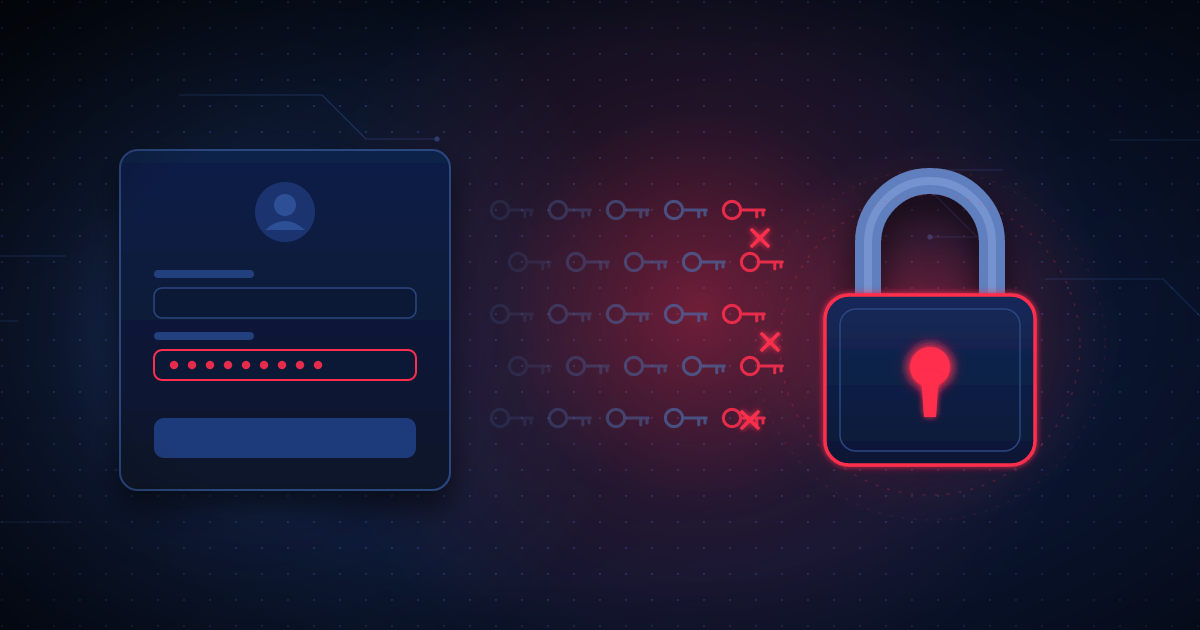
Brute Force Attacks on wp-login.php: How They Work and How to Stop Them
wp-login.php is the single most attacked URL on the entire internet. Here is what a real brute-force attack looks like in your logs, and which defenses actually work.
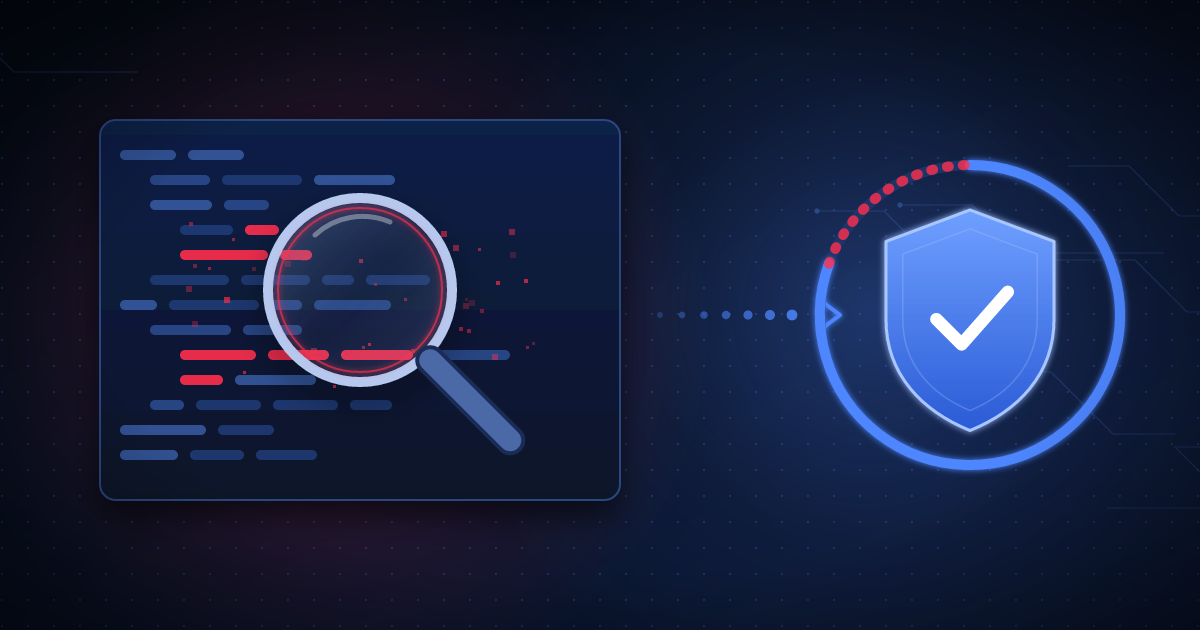
WordPress Malware Removal: A Step-by-Step Guide for Developers
A calm, methodical process for removing WordPress malware without breaking the site further or missing the backdoor that lets the attacker back in a week later.